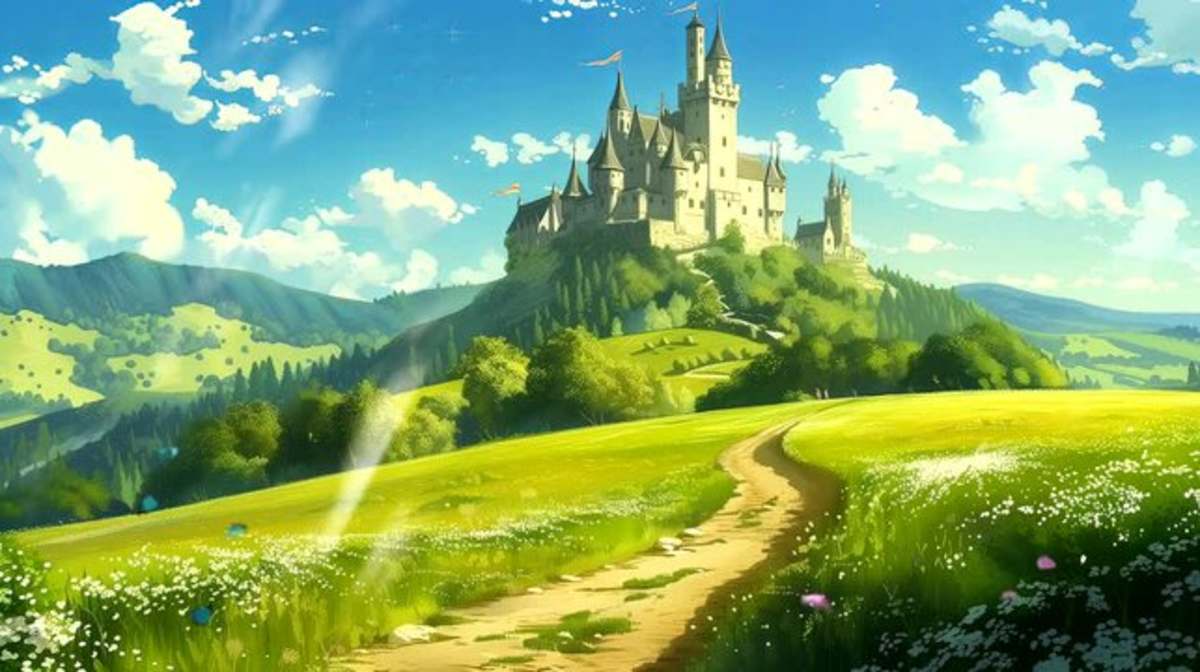
Creating a world is akin to constructing a vast web where each thread contributes to a larger story. Whether you're writing a novel, a screenplay, or a series of interconnected stories, the process of building a world can be both exhilarating and daunting.
In this blog post, we will explore the essential steps and considerations for writers embarking on this creative journey.
--------------------------------------------------------------------------
The Art of Creation
A world is a cohesive setting where characters, locations, and plots intertwine. Think of it as a sandbox where your imagination can roam free. This universe can span multiple works, allowing for rich storytelling that evolves over time.
Key Elements of Creation
- World-Building
- This is the foundation of your world. It involves setting the rules, geography, history, and culture of the land and its populace. Consider:
- Geography: What does your world look like? Are there mountains, oceans, cities?
- History: What events shaped this world? Are there wars, discoveries, or revolutions?
- Culture: What are the customs, beliefs, and social structures of its inhabitants?
- Character Development
- Characters are the heart of your world. They should be flawed, but relatable. Focus on:
- Backstory: What experiences have shaped them?
- Motivation: What drives them to act? How does this cause them to fail?
- Relationships: How do they interact with others?
- Plot Arcs
- A world contains multiple ongoing plot threads that often intersect. Consider:
- Main Plot: What is the central story?
- Subplots: What smaller stories can enrich the main narrative?
- Character Arcs: How do characters evolve throughout the story?
--------------------------------------------------------------------------
The Process of Building Your World
Step 1: Conceptualization
Start by brainstorming ideas. What themes resonate with you? What stories do you want to tell? Write down your thoughts and explore different angles.
Step 2: World-Building
Once you have a concept, dive into world-building. Create maps, write histories, and develop cultures. This is where your world starts to take shape.
Step 3: Character Creation
Develop your characters alongside your world. Create character profiles that include their backgrounds, motivations, flaws, strengths, and relationships.
Step 4: Plot Development
Outline your main plot and subplots. Consider how they will intertwine and affect your characters.
Step 5: Writing
Start writing your first draft. Don’t worry about perfection; focus on getting your ideas down.
Step 6: Revision
After completing your draft, revise it. Look for inconsistencies in your world, character development, and plot.
Step 7: Expansion
Once your initial story is complete, think about how to expand your world. Can you create spin-offs, sequels, or prequels?
--------------------------------------------------------------------------
Challenges of Creation
Creation is not without its challenges. Here are some common obstacles writers face:
Maintaining Consistency
With multiple characters and plots, it can be easy to lose track of details. Keep a detailed outline or a world-building master document to maintain consistency.
Balancing Complexity
While complexity can enrich your narrative, too much can overwhelm readers. Strive for a balance that keeps the story engaging without becoming convoluted.
Avoiding Clichés
In a vast universe, it’s easy to fall into familiar tropes. Challenge yourself to think outside the box and create unique storylines and characters.
--------------------------------------------------------------------------
Examples of Successful Worlds
Marvel Cinematic Universe
One of the most successful worlds in modern storytelling is the Marvel Cinematic Universe (MCU). It features interconnected films and characters, each contributing to a larger narrative. The MCU excels in character development, world-building, and plot arcs, making it a prime example for writers to study.
Wizarding World of Harry Potter
Another notable example is the Wizarding World of Harry Potter, which began with the Harry Potter series and expanded into films, spin-off books, and theme parks. Through meticulous world-building and character arcs, the universe was allowed to thrive across various media.
--------------------------------------------------------------------------
Tips for Aspiring Writers
-
Start Small
If you're new to world-building, start with a small scope. Create a short story or a single character before expanding. -
Read Widely
Explore different genres and styles. Analyze how other authors build their universes and what makes them successful. -
Engage with Your Audience
Share your ideas with others. Feedback can provide valuable insights and help you refine your narrative. -
Stay Inspired
Keep your creativity flowing by consuming various forms of media—books, movies, art, and music. Inspiration can come from unexpected places. -
Be Patient
Building worlds takes time. Don’t rush the process; allow your ideas to develop organically.
--------------------------------------------------------------------------
Conclusion
Building a world is a rewarding journey that allows writers to explore their creativity and share their stories. By focusing on world-building, character development, and exceptional arcs, you can create a rich, immersive experience for your readers. Remember to embrace the challenges and enjoy the process. Your next world awaits—start building it today!